Nature & Myth in Lithuanian Names
In the anglophone world, if you called your son or daughter Æthelstan, Godric or Wulfhild you would probably turn a few heads - and raise a few questions at the registration desk.
Anglophone names were hugely influenced by the rise of Christianity - John, Mark, Andrew and Luke being some of the most common male names arising from the four gospels.
Of course, the battle of 1066 and the victory of the Normans over the Anglo-Saxons also permanently altered the trajectory of common English names - introducing William, Henry, Alice and Matilda to name a few.
And sure, there are some older nature-inspired names in English like Holly, Rowan and Hazel, but for the most part these are later linguistic reconstructions of old names, rather than surviving names.
In Lithuania, however, the story unfolded differently.
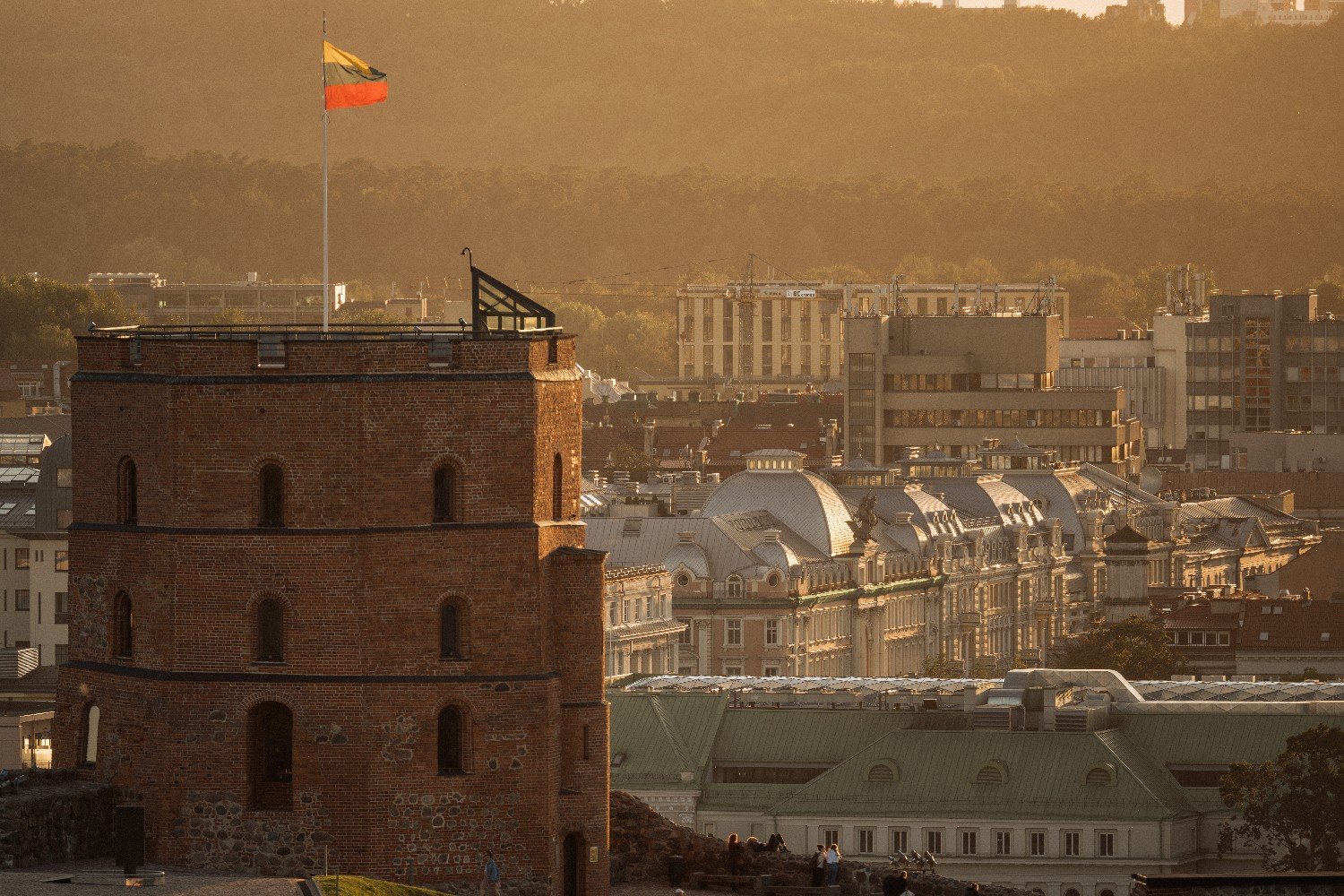
Gediminas’ tower in Vilnius flying the tricolour of Lithuania.
Many traditional names retained their roots in the natural world - in forests, rivers, animals and even changing seasons - preserving the linguistic link to the country’s ancient pagan beliefs that endured far longer than in much of Europe.
Names like Saulė (Sun), Gintarė (Amber), Laima (Goddess of Destiny) have all been preserved from ancient times and are very commonly used today.
Famous rulers also still have their names carried by babies born today - Mindaugas, the first and only King of Lithuania from the 13th century, Gediminas - the one who cemented Vilnius as capital and began a dynasty to expand Lithuania to it’s greatest heights, and Kestutis, his son, whose name literally means “To Endure”, and who fought against the Teutonic Knights and established Trakai’s island castle in defence.
In Lithuania, names are a connection to it’s rich history, and are symbolic of the fierce patriotism of a people who had to endure centuries of repression from Tsarist and Soviet rule, but who can never forget the greatness of their little nation.
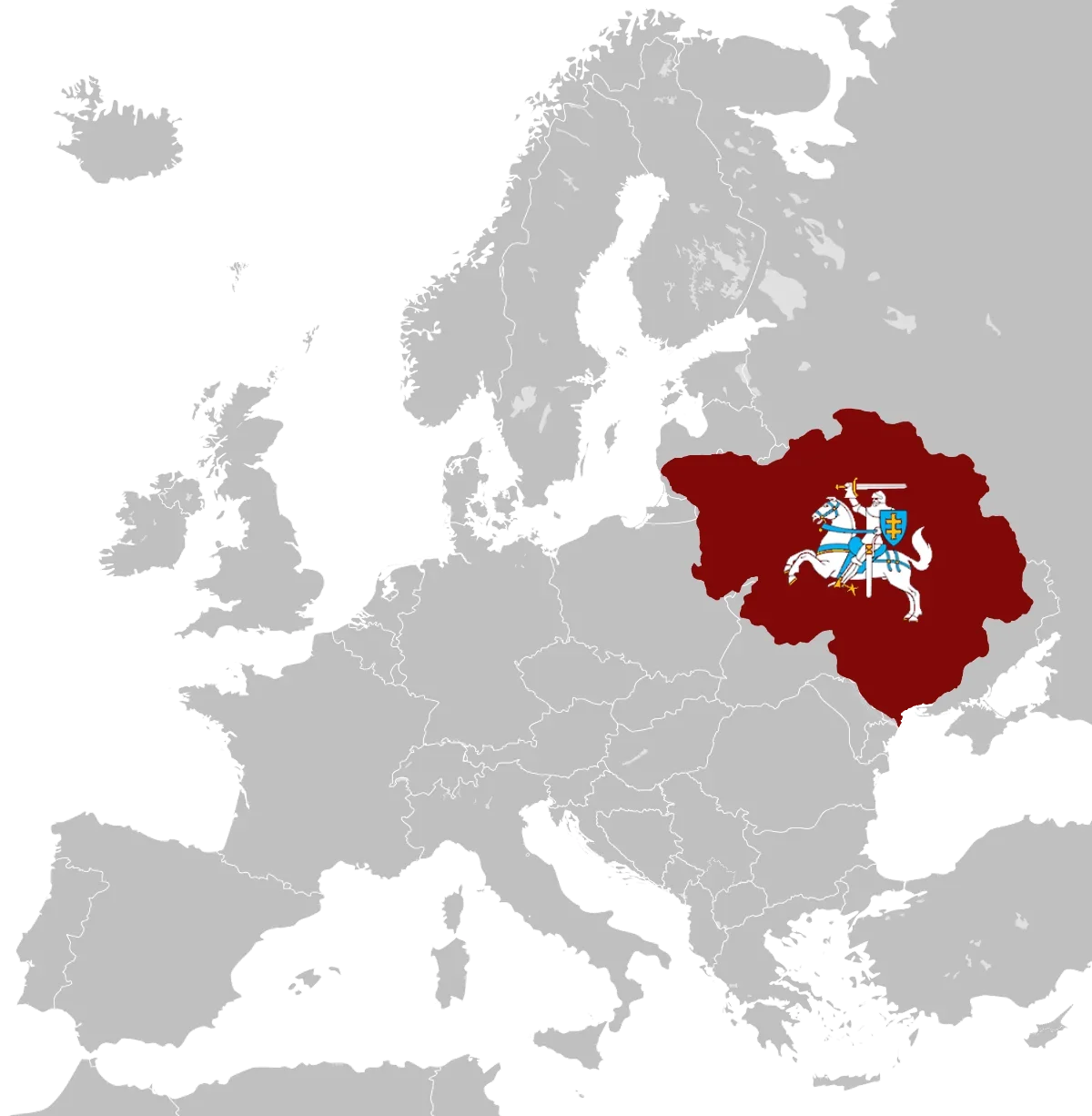
Grand Duchy of Lithuania at it’s greatest height