Kestutis - The Greatness of a Nation
Few names capture the Lithuanian spirit better than Kęstutis.
Made famous by the Grand Duke himself — the son of none other than Gediminas — Kęstutis is a name deeply woven into Lithuania’s history. Revived during the national awakening of the 19th century, it is a name still commonly used today.
But why does it hold such significance?
Well, there are plenty of tangible reasons - Grand Duke Kęstutis led countless campaigns against the Teutonic Knights in the west, he defended Lithuania’s sovereignty, and even established Trakai Island Castle. His son, Vytautas the Great, later expanded the Grand Duchy to its greatest extent, and secured its place among Europe’s powers.
But the meaning of the name itself tells an equally powerful story. Derived from kęsti — meaning “to suffer” or “to endure” — Kęstutis is “the one who endures suffering.”
And this is what captures the true greatness of Lithuania.
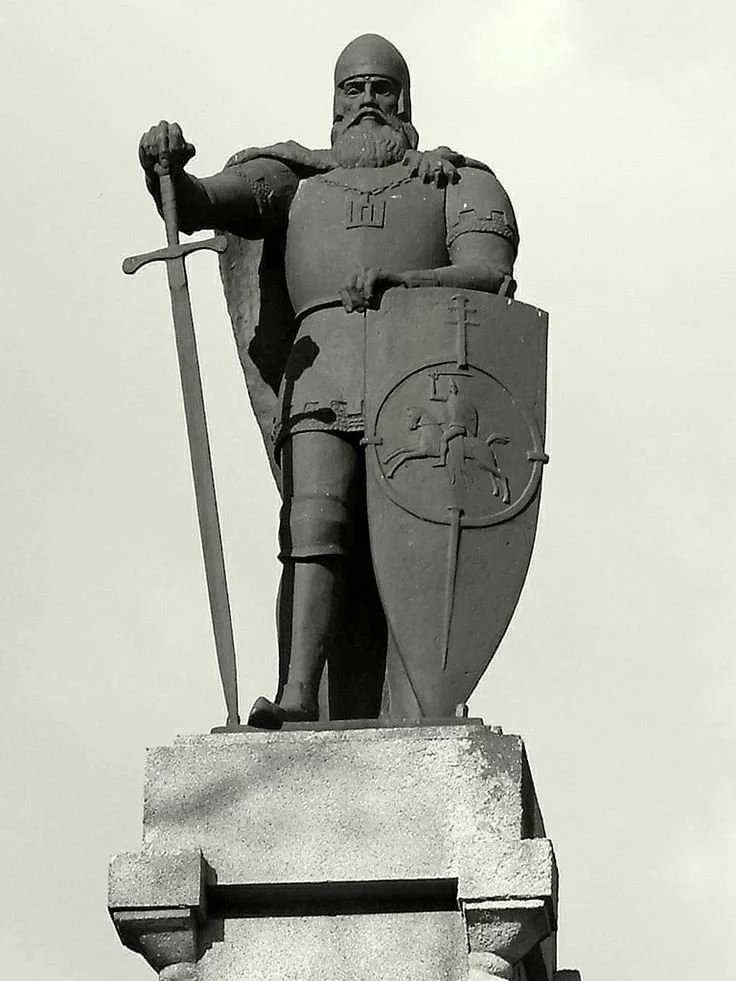
Grand Duke Kestutis.
Because, in our opinion, it isn’t the 14th century expansion of the Duchy all the way to the Black Sea, the 15th century Victory over the Teutonic Knights at the battle of Žalgiris or even the occupation of the Kremlin in 1610 that speaks to the greatness of Lithuania. No, these periods and events are certainly great in their own right, but they are flashy greatness, they are propaganda-worthy greatness. Anyone can be great when they are winning, but true greatness in our opinion is demonstrated by different qualities.
True greatness is that which stands tall, in spite of the weights pressing against it.
True greatness, is that which persists, that which endures.
And for Lithuania, it is the resistance and fortitude in the face of the nearly 200 years of oppression under Tsarist and Soviet rule, for which this country is great.
True greatness, lives in the stories of the 19th century knygnešiai, who smuggled banned Lithuanian books across the border from Prussia to keep the culture alive, in spite of the risk to their freedom and lives during the press ban.
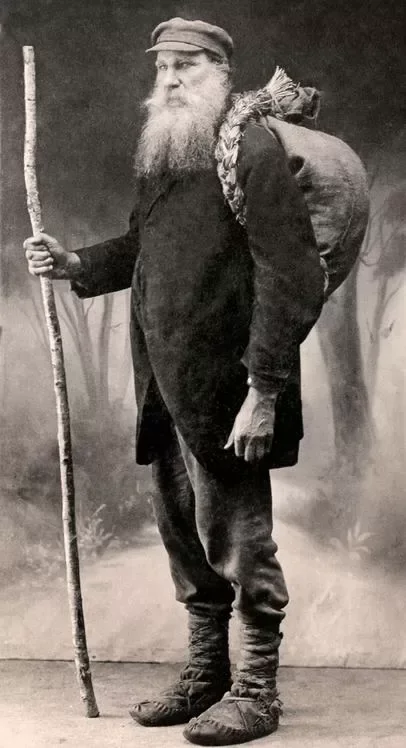
Knygnešiai.
True greatness, lives in the stories of the 20th century forest brothers, who gave up their lives to live out their days in the forest as part of the Soviet resistance - some for up to as long as 8 years. There was three realistic outcomes for these heroes - capture and torture, death, or to dissolve back into society under new pretences, never to make contact with their old lives again so as not to risk deportation to Siberia for their loved ones.
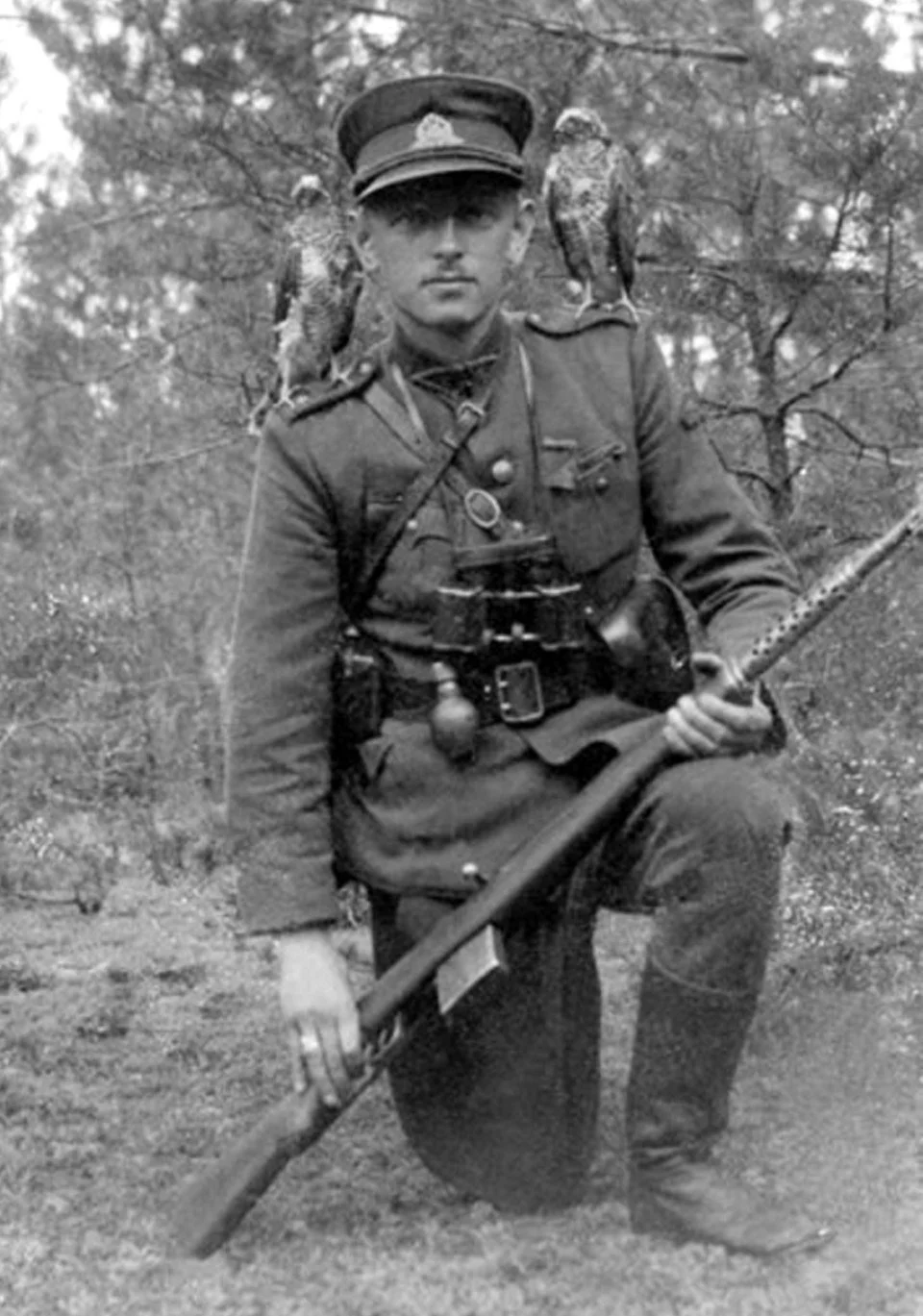
The Hawk, commander of the Dainava Partisan Unit District, Posthumuosly recognized as the Head of State of Lithuania in 2018.
True greatness, too, lives in the voices of the Singing Revolution — when an occupied people found strength not in arms, but in song, and reclaimed their freedom with nothing more than their voices and unity. It was during the late 1980s, as Soviet power began to wane, that the people of Lithuania — along with their Baltic neighbors — turned to this ancient weapon, and crowds of tens of thousands gathered in public squares, singing banned patriotic hymns and folk songs that had been passed down in secret for generations.
And this movement is what culminated in 1990 with Lithuania declaring the restoration of its independence — the first Soviet republic to do so. Ending almost 200 years of repression.
So let Kestutis be known as the name of Lithuania, in memory of those who suffered, and those who endured, in greatness of the nation.
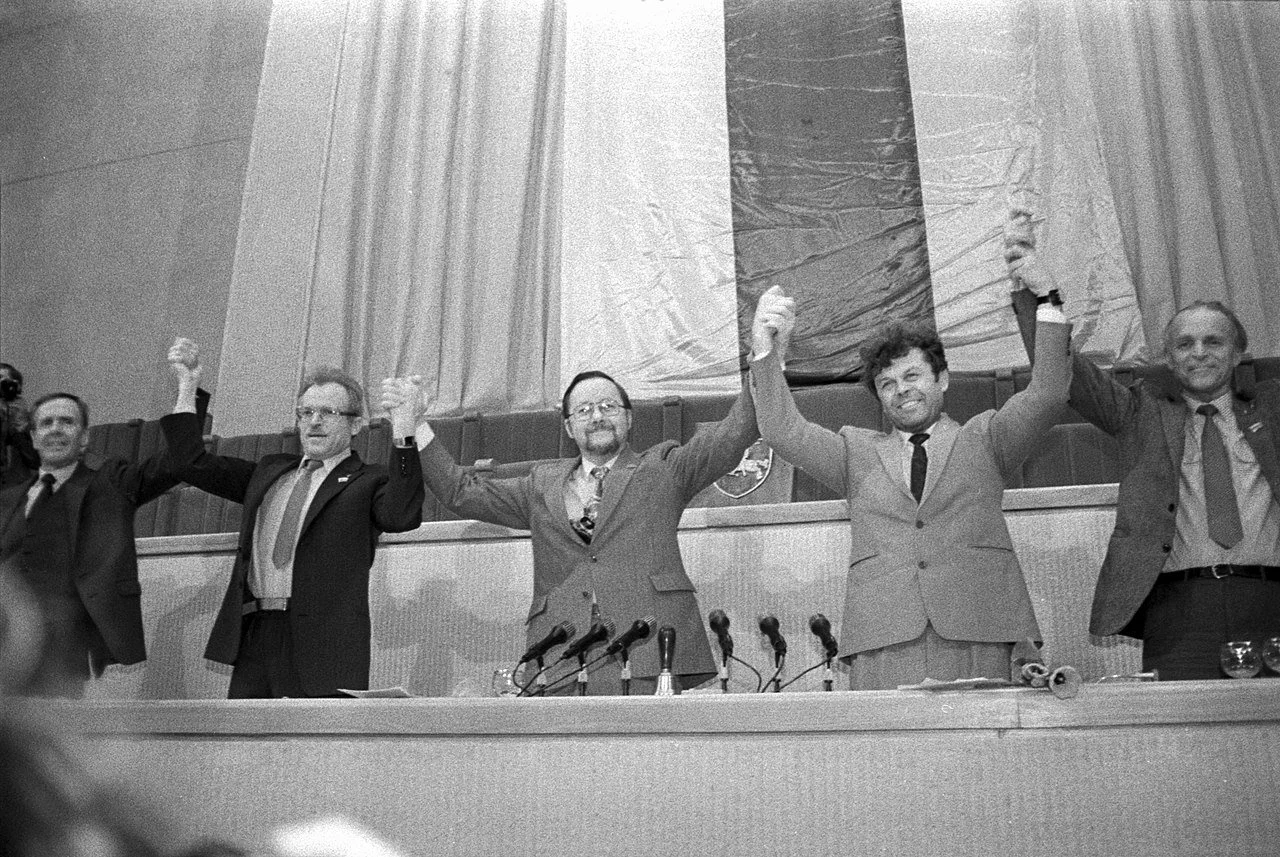
Leaders of the Supreme Council of Lithuania in Vilnius on 11 March 1990, after the promulgation of the Act of the Re-Establishment of the State of Lithuania.